
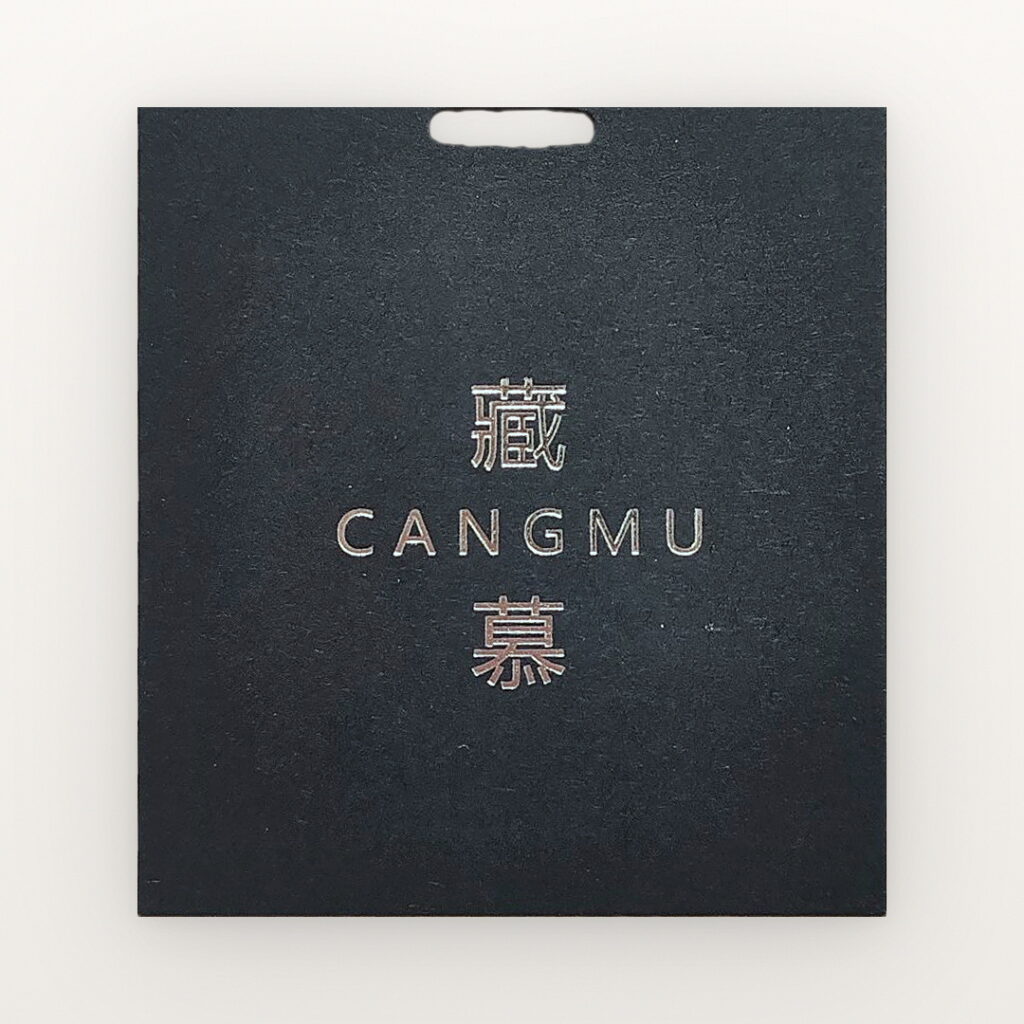
Matte black hang tag with a silver foil brand mark and rounded punched slot, shot on a light studio background

What Low MOQ Really Means: How Minimum Order Quantity Is Calculated in Printing

“MOQ” appears on every printing quotation, and almost nobody explains where the number comes from. It is not an arbitrary gate the supplier puts up to annoy small buyers. It is the point at which the fixed cost of setting up a job stops dominating the price per piece. Once you know what makes up that fixed cost, you can often lower the minimum simply by changing the spec.

The fixed cost nobody sees

Before a single usable sheet comes off the press, four things have already been paid for:

1. Plates and dies. Every finish needs a tool cut from your artwork — a polymer plate for letterpress, a metal die for foil stamping and debossing, a cutting die for shaped work. This is identical whether you then print 100 pieces or 100,000.

2. Material purchase. Paper is bought from the mill in reams, not sheets. Below a certain run, most of the ream is waste, and the waste is priced in.

3. Make-ready. The first 30 to 100 sheets through the press are used to get colour, pressure and registration right. They are thrown away. That cost per piece is brutal at 100 units and invisible at 5,000.

4. Machine time to change over. Washing up, loading stock, setting the feeder. Roughly the same two hours whatever the quantity.

Cream cotton paper hang tag with a blind embossed logo resting on a wood table

Why the unit price falls so steeply

When setup is spread over 100 pieces it might account for most of the quoted price; spread over 2,000 it becomes a rounding error. This is why going from 100 to 500 often barely changes the total, while going from 500 to 5,000 hardly doubles it. Ask any supplier for prices at three quantity tiers — 100 / 500 / 1,000 — and the shape of the curve will tell you more about their setup cost than any conversation.
Black card hang tag with a rainbow holographic foil logo

Spec choices that move the minimum

Number of finishes. One finish, one setup. Letterpress plus foil plus edge gilding is three separate passes and three lots of make-ready — this is the single biggest driver of a high minimum.

Number of colours. Each colour is another pass in letterpress or another plate in offset.

Shapes. A rectangle nests efficiently on a sheet; a rose shape wastes more paper per piece, which pushes the effective minimum up. Our die-cut shaped coasters are more economical at higher quantities for exactly this reason.

Stock. Standard weights are bought routinely; an unusual textured sheet may have a mill minimum of its own.

Cream cotton paper brand card letterpress printed in black for a florist brand

How we keep the minimum low

We are the factory, not a trading company. That means the setup cost is our own machine time rather than a middleman’s margin, so we can absorb it on a short run in a way a reseller cannot. In practice that means you can order genuine custom work in the low hundreds rather than the thousands, test the design with real customers, and come back for a larger run once it sells.
It also means reorders are cheap. The die already exists, the artwork is already approved, and the make-ready is half the length it was the first time. A reorder is usually quoted and shipped faster than the original.
Pair of cream specialty paper hang tags shown side by side, front and back

A sensible way to use low MOQ

✅ Test before committing. Order the minimum, put it in front of real customers, then reorder the winner.

✅ Split by variant, not by SKU. Same artwork, three colourways, one print run — far cheaper than three separate setups.

✅ Ask for the price curve. Two extra quantity tiers cost you one email and tell you exactly when the unit price stops falling.

✅ Reorder while the die is young. Dies and plates do not last forever; keeping the same design saves real money.

Get a quote

Tell us the product, the finish and how many you actually need — even if it is only a couple of hundred. We will quote within 24 hours. Start from the full product range, read our guide to blind deboss vs foil stamping if you are still choosing a finish, or send us the artwork now.
Shopping Cart